1
$$Editor's Pick
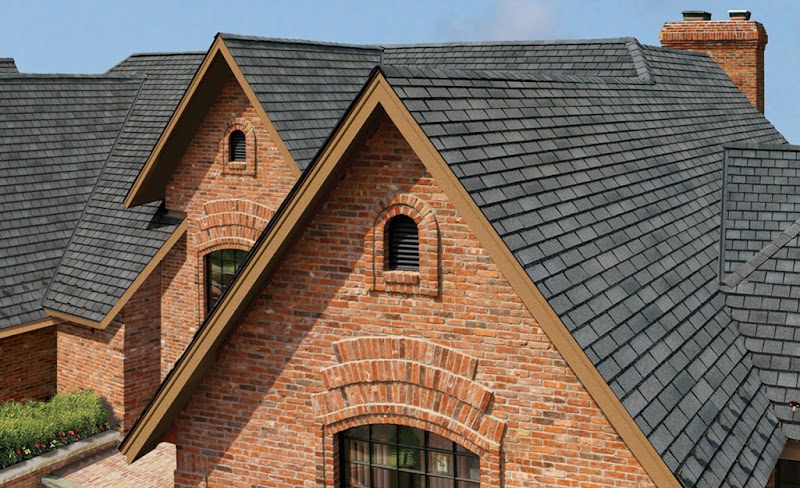
Honest assessments and fair pricing. They won't push a full replacement when repairs will do the job.
Savannah Rankings
Our definitive guide to the top roofers in Savannah, Georgia. 10 businesses ranked for 2026.
Finding the right roofer in Savannah, Georgia shouldn't feel like a gamble. We've curated this list based on Google reviews, local reputation, and insider recommendations to bring you the best roofers in Savannah's Historic District and surrounding areas. Whether you're a visitor exploring the Hostess City or a local resident, these are the top-rated roofers you can trust.
Honest assessments and fair pricing. They won't push a full replacement when repairs will do the job.
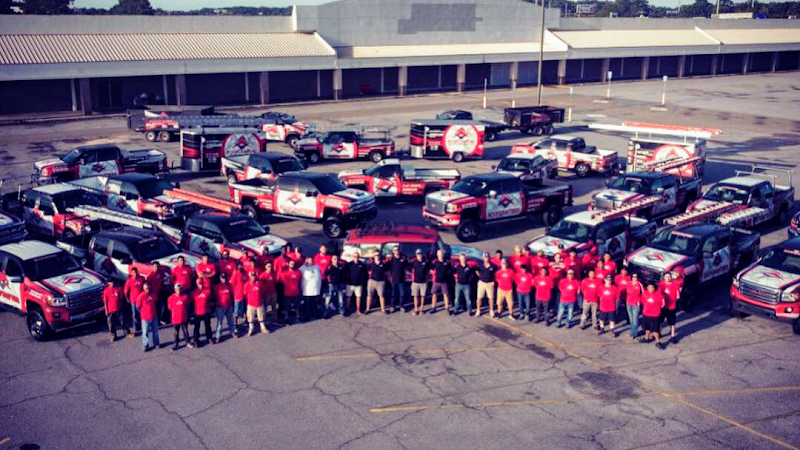
They photograph everything and explain exactly what needs doing. No hidden fees, no surprises—just quality roofing work.
One contractor for your entire exterior—roof, siding, windows. Streamlines the process and saves coordination headaches.
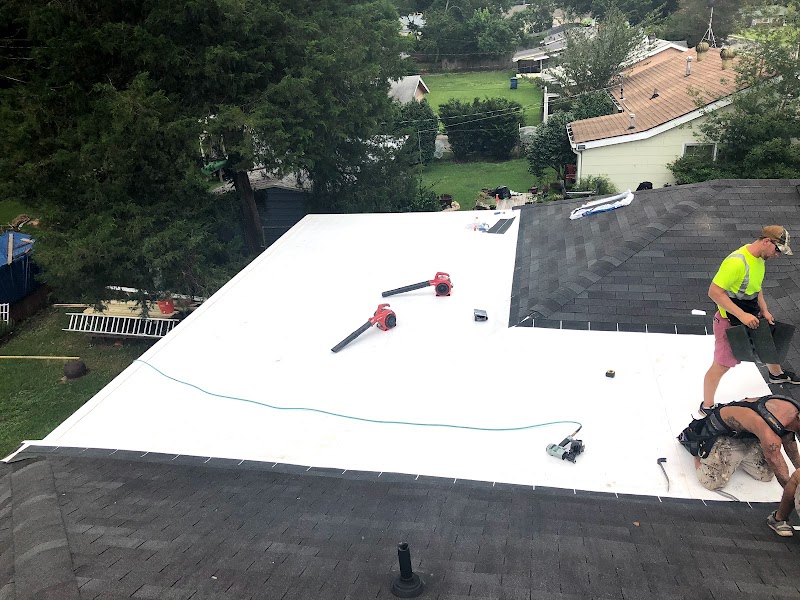
Metal roofing experts—perfect for the coastal climate. They understand what materials hold up to salt air and humidity.
Their lifetime labor warranty is unmatched in the industry. Professional from first contact through final nail cleanup—customers rave about their communication and follow-through.
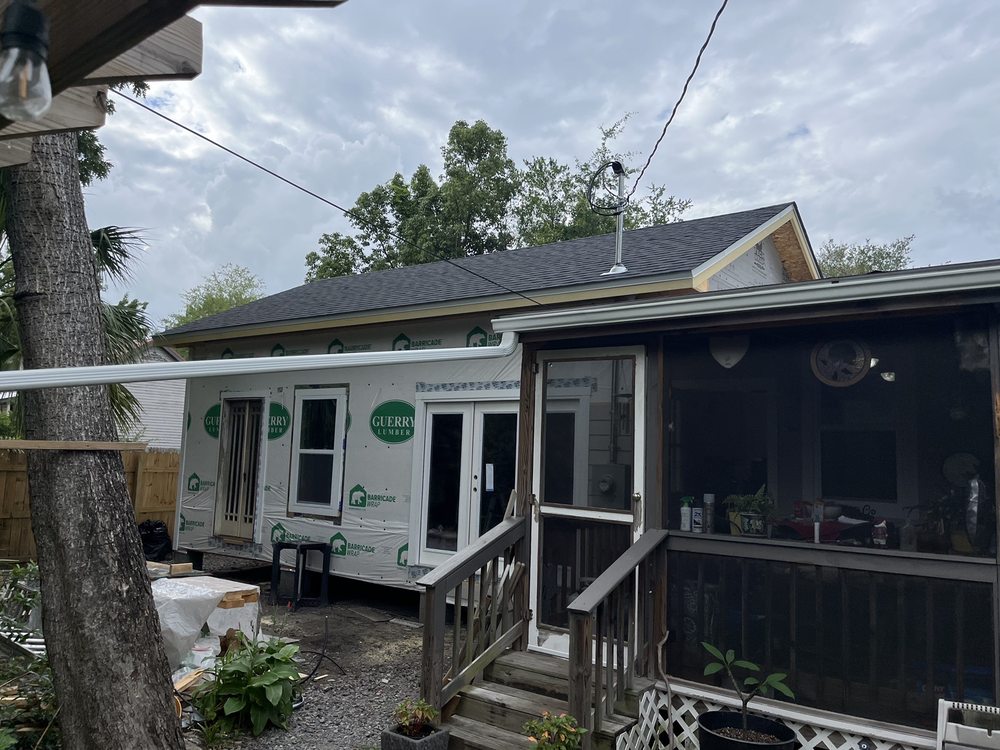
Complete exterior solutions under one roof—literally. 500+ five-star reviews and 1,000+ projects completed. Their 50-year manufacturer warranty provides serious peace of mind.
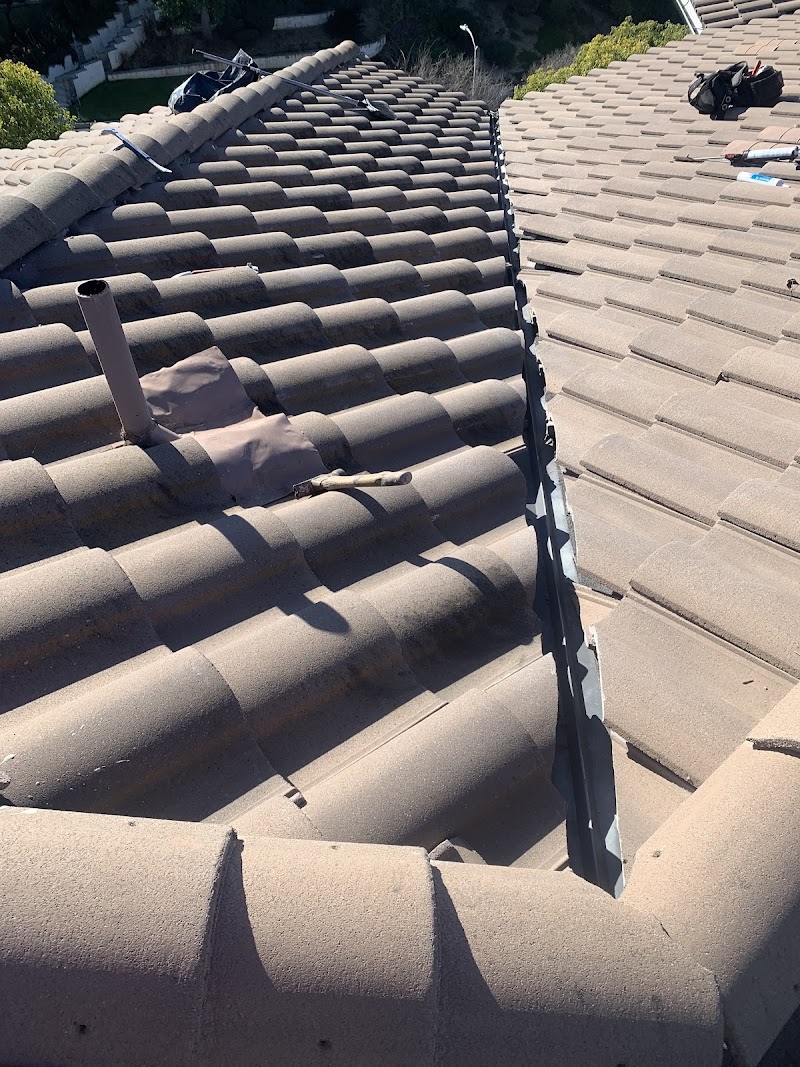
When a hurricane or storm hits, these folks are responsive. Fair pricing even during emergencies when others gouge.
905 E 69th St, Savannah, GA 31405
Local ownership with national resources means they can handle both small emergencies and large-scale disasters. 24/7 live answering—not a voicemail when disaster strikes.
86 Crestview Dr, Guyton, GA 31312
45-minute response time guarantee during emergencies. IICRC certification means they follow industry best practices for thorough, safe restoration work.
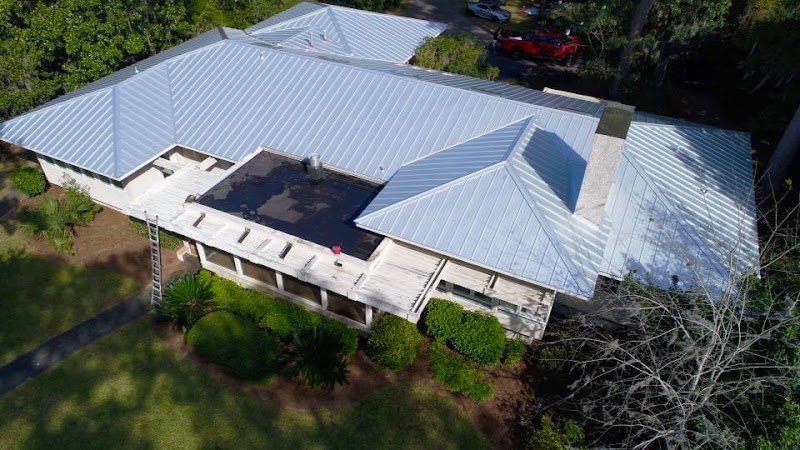
Their free drone inspections give you a detailed look at your roof without anyone climbing up. Modern approach to roofing.
What to do when a storm damages your Savannah roof: document everything first, understand Georgia's roofing licensing rules, avoid storm-chaser scams, and which local companies handle emergency response.
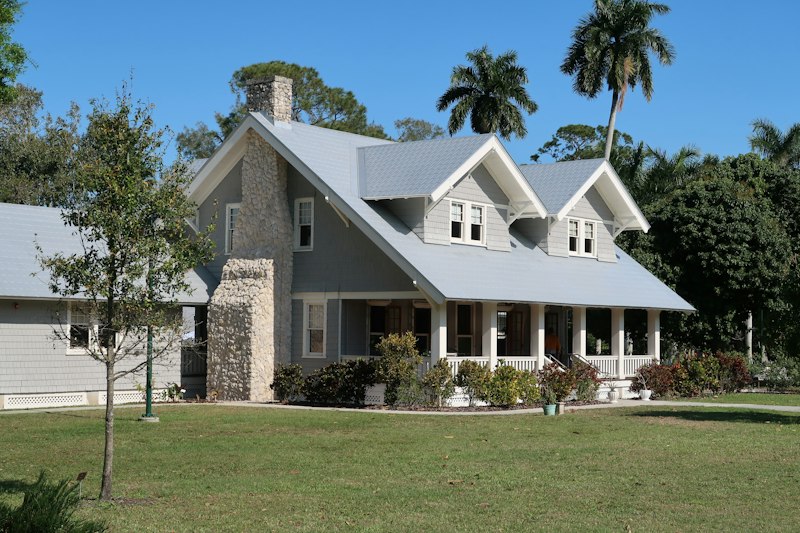
Find the best roofers in Savannah, GA. Compare top-rated roofing contractors for storm damage, repairs, and replacements in coastal Georgia.
Roofing in coastal Georgia is not the same as roofing in Atlanta or Macon, and that distinction matters when you are choosing a contractor. Savannah sits roughly fifteen miles from the Atlantic Ocean, which means salt-laden air, intense UV exposure, and hurricane-force winds are real considerations for every roof in the metro area. The best local roofers specify materials rated for high-wind coastal zones—Miami-Dade rated shingles, standing-seam metal panels, and sealed ridge vents that will not blow off in a tropical storm.
Hurricane season runs from June through November, and the smartest time to schedule a roof inspection is in the spring before storm season begins. Many Savannah roofers offer free inspections and will document any existing damage that could worsen in a storm. If you do take storm damage, be cautious with door-to-door contractors who appear after a hurricane—reputable local companies will not pressure you into signing on the spot. Check that any roofer you hire carries both liability insurance and workers' compensation, holds a valid Georgia contractor license, and can provide references from other coastal projects. For homes in the Historic District, you will also need a roofer familiar with the architectural review process for visible roof materials.
Georgia requires roofing contractors to hold a valid state license. You can verify any license through the Georgia Secretary of State's Professional Licensing Board website. Also confirm they carry both general liability insurance and workers' compensation coverage before any work begins.
Rates in the Savannah metro area are generally in line with the Southeast average, though work in the Historic District can cost more due to the specialized skills and permitting required for older buildings. Always get at least two written estimates for non-emergency work. Be wary of estimates that come in dramatically lower than others—that often signals corners will be cut.
Most significant roofers work in Savannah requires a permit from the City of Savannah's Development Services department. Work on properties within the Historic District may also require approval from the Historic District Board of Review for any exterior changes. Your contractor should handle the permitting process, but confirm this before work begins.
Schedule a professional inspection in the spring to identify loose shingles, damaged flashing, or deteriorating sealant. Clear gutters and downspouts so water can drain properly during heavy rainfall. If your roof is older than twenty years, discuss replacement options before storm season rather than waiting for damage to force the decision. After any named storm, have your roof inspected even if you do not see obvious damage—wind can lift shingles without visible signs from the ground.