Best Day Trips from Savannah: Coastal Escapes Worth the Drive
By Best of Savannah
What are the best day trips from Savannah? Tybee Island sits just 20 minutes away with wide beaches, dolphin tours, and fresh seafood — the easiest beach escape from downtown. Jekyll Island (90 minutes south) offers wild horses, the historic Jekyll Island Club, and the Georgia Sea Turtle Center, plus 10 miles of uncrowded beaches. Hilton Head Island (45 minutes north) delivers world-class golf, upscale shopping, and South Carolina beach culture. Charleston (2 hours north) rivals Savannah's historic charm with Rainbow Row, waterfront dining, and its own distinct Lowcountry flavor. Beaufort, SC (1 hour north) provides a quieter alternative with stunning antebellum architecture and excellent waterfront restaurants. Fort Pulaski National Monument (20 minutes east) offers Civil War history where you can explore a massive brick fort that played a pivotal role in coastal defense. Daufuskie Island (accessible by ferry from Hilton Head) remains South Carolina's most remote inhabited island — no cars, no chain stores, just pristine beaches and Gullah culture. From barrier island beaches to historic cities, from wild coastal preserves to championship golf, Savannah's location on the Georgia-South Carolina coast puts incredible variety within easy reach.
Why Take a Day Trip from Savannah?
Savannah's location on the Georgia coast creates perfect conditions for day trip exploration. You're positioned between South Carolina's Lowcountry to the north and Georgia's Golden Isles to the south, with barrier islands, historic towns, and coastal preserves stretching in every direction.
What makes these day trips special: First, variety within short distances — beach escapes, historic cities, nature preserves, and resort destinations all sit within a 2-hour radius. Second, authentic coastal culture — each destination offers distinct character, from Tybee's laid-back beach vibe to Charleston's refined sophistication to Daufuskie's preserved Gullah heritage. Third, easy logistics — most trips require nothing more than a car and a full tank of gas, with no flights, ferries (except Daufuskie), or complex planning.
The coastal geography also means spectacular scenery. Your drive might cross marshlands where egrets hunt in tidal creeks, pass through centuries-old live oak alleys draped in Spanish moss, or follow causeways over coastal waterways where dolphins surface alongside your car. The journey is often as memorable as the destination.
Before you head out, check our guides to Savannah's best restaurants for dinner when you return, ghost tours for evening entertainment, and boat tours if you want more coastal adventures without leaving town. And if you're planning to explore Tybee Island specifically, read our complete Tybee Island day trip guide.
Local tip: Start day trips early — leave Savannah by 9am to maximize your time and avoid midday coastal traffic. Bring sunscreen (the coastal sun is intense), refillable water bottles, and cash for parking and small vendors. Many barrier island destinations have limited dining options, so pack snacks or plan meal stops strategically.
Tybee Island — Savannah's Beach (20 Minutes)
Distance from Savannah: 18 miles (20-25 minutes)
Best for: Beach day, dolphin watching, fresh seafood
Highlights: Wide sandy beaches, Tybee Lighthouse, dolphin tours, Fort Pulaski nearby
Tybee Island is Savannah's beach — a laid-back barrier island where locals and visitors come to decompress. The drive east on US-80 takes you through coastal marshes and over bridges where you'll likely spot dolphins before you even reach the island.
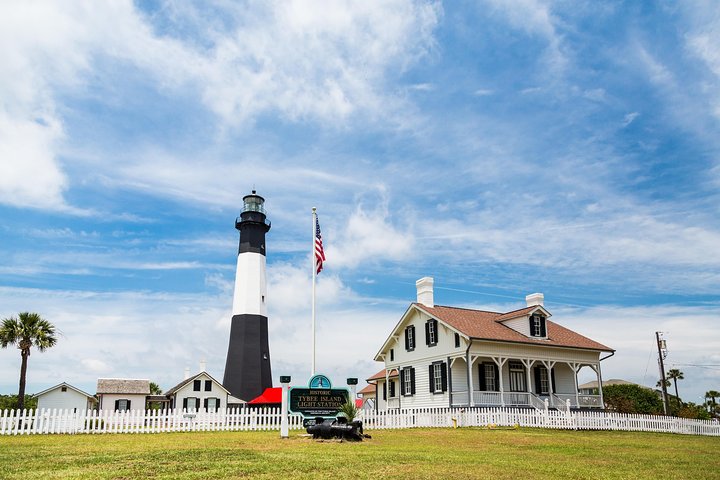
What to do: The North Beach near the Tybee Lighthouse offers the most space and the best people-watching. Climb the Tybee Island Light Station (Georgia's oldest and tallest lighthouse) for panoramic views of the coast. Book a dolphin tour with Captain Derek — he guarantees dolphin sightings and knows exactly where to find them. Rent kayaks from Sea Kayak Georgia to paddle to undeveloped Little Tybee Island.
Where to eat: The Crab Shack sits literally on the marsh — picnic-table seafood dining with a resident alligator pond. A-J's Dockside serves fresh catch with sunset views over Lazaretto Creek. For breakfast, Sunrise Restaurant on Butler Avenue has been feeding beach-goers since the 1970s with massive portions and ocean views.
Pro tips: Parking fills up quickly on summer weekends — arrive before 10am or use the paid lots on Tybrisa Street. The south end near the pier gets crowded; walk north for more space. Bring beach chairs and umbrellas (limited rentals available). Check tide schedules if you're kayaking — low tide exposes vast mud flats.
Combine with: Stop at Fort Pulaski National Monument on your way to or from Tybee. This massive brick fort played a crucial role in Civil War coastal defense. You can explore the fort's interior, walk the ramparts, and learn how rifled cannon technology changed warfare forever. It's a 20-minute stop that adds significant historical context to your beach day.
Time needed: Half-day minimum, full day recommended if you're combining beach time with dolphin tours and exploring
Jekyll Island — Wild Horses and Historic Elegance (90 Minutes)
Distance from Savannah: 75 miles (90 minutes)
Best for: Uncrowded beaches, wild horses, historic district, family-friendly activities
Highlights: Driftwood Beach, Jekyll Island Club, Georgia Sea Turtle Center, 10 miles of beaches
Jekyll Island is one of Georgia's Golden Isles and perhaps the most accessible for a Savannah day trip. The island balances natural preservation (65% of Jekyll Island is protected green space) with resort amenities, creating a destination where you can see wild horses in the morning and dine at a historic hotel in the evening.
Must-see attractions: Driftwood Beach on the island's north end is surreal — a beach littered with massive driftwood trees creating a photographer's paradise and one of Georgia's most unique coastal landscapes. The Jekyll Island Historic District preserves the winter retreat where America's wealthiest families (Rockefellers, Vanderbilts, Morgans) once vacationed — guided tours reveal Gilded Age opulence. The Georgia Sea Turtle Center rehabilitates injured sea turtles and educates visitors about coastal conservation.
Beach life: Jekyll's 10 miles of beaches remain remarkably uncrowded compared to more developed barrier islands. The wide, hard-packed sand is perfect for biking (rent bikes at Jekyll Island Bike Rentals). Glory Beach and South Dunes Beach offer the best swimming. Keep your eyes open for wild horses — they roam freely and occasionally wander onto the beaches.
Where to eat: Driftwood Bistro inside the Jekyll Island Club Hotel serves upscale Southern coastal cuisine in a stunning historic setting. Zachry's Riverhouse offers casual waterfront dining with marsh views. Latitude 31 at the Jekyll Ocean Club delivers modern coastal fare with ocean views.
Nature and outdoors: Bike or walk the paved trail system that loops the island — 20+ miles of trails wind through maritime forests and along the coast. The Summer Waves Water Park (open seasonally) provides family entertainment. Kayak tours through the marshes reveal dolphins, wading birds, and coastal ecology up close.
Pro tips: Jekyll Island charges a $8 parking fee (pay at the gate when entering the island) — keep your receipt for re-entry. The island is large enough that driving between attractions is recommended. Bike rentals are worth it for the trail system. Book Sea Turtle Center tours in advance during summer.
Time needed: Full day to experience beaches, historic district, and Sea Turtle Center; could easily fill a weekend
Hilton Head Island — Upscale Beach Resort (45 Minutes)
Distance from Savannah: 30-45 miles (45-60 minutes depending on route)
Best for: Golf, upscale shopping, South Carolina beaches, resort amenities
Highlights: Harbour Town, championship golf courses, designer shopping, Sea Pines Forest Preserve
Hilton Head Island in South Carolina sits just across the state line and represents the upscale end of the coastal spectrum. Where Tybee is laid-back and Jekyll is family-oriented, Hilton Head is polished and resort-focused — think championship golf, designer shopping, and waterfront dining.
What to do: Harbour Town in Sea Pines Resort is Hilton Head's iconic destination — a marina village with shops, restaurants, and the famous red-and-white striped lighthouse. The Coastal Discovery Museum offers nature programs and historical tours of the island. Coligny Beach provides the most accessible public beach with parking, restrooms, and nearby shops and restaurants. Walk or bike the Sea Pines Forest Preserve — a 605-acre nature preserve with trails, ponds, and wildlife in the heart of a luxury resort community.
Golf paradise: Hilton Head hosts 24 championship golf courses, making it one of America's premier golf destinations. Even non-golfers can appreciate the meticulously maintained landscapes and resort atmosphere that golf culture creates.
Shopping and dining: Shelter Cove Towne Centre and Coligny Plaza offer upscale shopping from boutiques to national brands. The Salty Dog Cafe at South Beach Marina is a Hilton Head institution (don't leave without a Salty Dog t-shirt). Hudson's Seafood on the Docks serves fresh catch with marsh views. Skull Creek Boathouse delivers waterfront dining and sunset views.
Getting there: Two routes from Savannah — the scenic route through Bluffton along US-278 (slower but more beautiful) or the faster I-95 route. The Bluffton route passes through historic Old Town Bluffton, worth a quick detour for its antique shops and riverside charm.
Pro tips: Many beaches and attractions are located within gated resort communities (Sea Pines charges a $9 gate fee). Public beach access is limited compared to Georgia islands — Coligny Beach and Alder Lane Beach Park offer the easiest access. Hilton Head is pricier than Georgia coastal destinations; budget accordingly.
Ferry to Daufuskie: From Hilton Head, you can catch a ferry to Daufuskie Island — South Carolina's most remote inhabited island. No cars, no chain stores, just pristine beaches, Gullah culture, and the Lowcountry as it existed before development. The Calibogue Cruises ferry runs from Broad Creek Marina; golf cart rentals are the only transportation on the island.
Time needed: Half-day for beaches and Harbour Town, full day if adding golf or exploring multiple areas, overnight if you want the full resort experience
Charleston — Historic Rival City (2 Hours)
Distance from Savannah: 108 miles (2 hours)
Best for: Historic architecture, waterfront dining, Southern culture, shopping
Highlights: Rainbow Row, The Battery, King Street shopping, Charleston City Market, waterfront parks
Charleston, South Carolina is Savannah's historic rival — and a day trip that history and architecture enthusiasts shouldn't miss. If Savannah is the "Hostess City," Charleston is the "Holy City" (named for its church steeples that define the skyline). Both cities offer antebellum architecture, Lowcountry cuisine, and Southern charm, but each has distinct character.
Must-see attractions: Rainbow Row on East Bay Street is Charleston's most photographed block — a row of 13 colorful Georgian row houses from the 1740s. Walk The Battery and White Point Garden where massive live oaks frame views of Charleston Harbor and Fort Sumter. Stroll King Street for shopping from local boutiques to high-end brands. The Charleston City Market has operated since the 1790s, with vendors selling sweetgrass baskets, local crafts, and Lowcountry products.
Historic homes: Unlike Savannah's house museums (which are excellent), Charleston's historic homes feel more lived-in. The Nathaniel Russell House showcases Federal architecture. The Aiken-Rhett House preserves an urban plantation complex largely unchanged since the 1850s. Admission fees apply, but the tours provide deep historical context.
Waterfront dining: Charleston's restaurant scene rivals (and some argue surpasses) Savannah's. Fleet Landing sits on a former Navy debarkation point with waterfront views. Husk Charleston (from the Sean Brock culinary empire, like Husk Savannah) celebrates Southern ingredients in a historic townhouse. FIG on Meeting Street earned James Beard recognition for its seasonal Lowcountry cuisine.
What's different from Savannah: Charleston feels more vertical (taller buildings, church steeples) where Savannah spreads horizontally around its squares. Charleston's peninsula location creates more dramatic water views. The Battery's seawall and harbor parks have no Savannah equivalent. Charleston's restaurant scene skews slightly more upscale, while Savannah's retains more accessible family-style dining.
Pro tips: Parking in downtown Charleston is expensive and limited — use the parking garages or lots near the Visitor Center and walk. The city is very walkable, but larger than Savannah's Historic District. Spring (March-May) brings peak crowds and higher prices; fall (September-November) offers better weather and fewer tourists. Book restaurant reservations in advance for popular spots.
Time needed: Full day minimum to see highlights; overnight trip recommended for full restaurant and nightlife experience


Beaufort — Quieter Southern Charm (1 Hour)
Distance from Savannah: 45 miles (1 hour)
Best for: Antebellum architecture, waterfront dining, art galleries, quieter alternative to Charleston
Highlights: Historic district, Henry C. Chambers Waterfront Park, art galleries, Pat Conroy literary trail
Beaufort, South Carolina (pronounced "BYOO-furt" not "BOH-furt" like the North Carolina town) offers a quieter alternative to Charleston with equally impressive antebellum architecture and a charming waterfront location. This small city (population 13,000) delivers Southern coastal elegance without the crowds.
What to see: The Historic District preserves stunning antebellum mansions and churches — walk or take a carriage tour to appreciate the architecture. Henry C. Chambers Waterfront Park provides river views, a playground, and a perfect picnic spot. The Pat Conroy Literary Center celebrates the author who made Beaufort famous in novels like "The Prince of Tides" and "The Great Santini." Bay Street's art galleries and boutiques showcase local artists and Southern crafts.
Where to eat: Saltus River Grill delivers upscale waterfront dining with marsh views and fresh seafood. Plums restaurant on Bay Street serves Lowcountry cuisine in a historic building. Breakwater Restaurant & Bar offers casual waterfront dining with live music on weekends.
Film locations: Movie buffs will recognize Beaufort from "Forrest Gump," "The Big Chill," "The Prince of Tides," and multiple other films. The stunning architecture and Spanish moss make it a favorite filming location.
Nearby attractions: The Penn Center on nearby St. Helena Island preserves Gullah culture and was one of the first schools for freed slaves. Hunting Island State Park (15 minutes from Beaufort) offers pristine beaches, a lighthouse you can climb, and maritime forests. The beach here is wilder and more natural than resort island beaches.
Pro tips: Beaufort is small enough to explore in a half-day, but the relaxed pace encourages lingering. Combine it with Hunting Island State Park for a full day. Wednesday through Saturday offer more dining and shopping options (some places close Sunday-Tuesday). The town is very walkable — park once and explore on foot.
Time needed: Half-day for downtown Beaufort alone, full day if adding Hunting Island State Park or Penn Center
Fort Pulaski National Monument — Civil War History (20 Minutes)
Distance from Savannah: 15 miles (20 minutes, on the way to Tybee Island)
Best for: Civil War history, coastal fortification architecture, nature trails
Highlights: Massive brick fort, cannon demonstrations, museum, trails through maritime forest
Fort Pulaski National Monument sits on Cockspur Island between Savannah and Tybee Island, making it an easy addition to any Tybee day trip. This massive brick fort changed military history when Union forces bombarded it in April 1862, proving that rifled cannon could breach masonry fortifications previously considered impregnable.
What to see: Explore the fort's interior — two levels of casemated rooms, magazines, and gun positions surrounding a massive parade ground. Walk the ramparts for views of the Savannah River and coastal marshes. The visitor center museum explains the fort's construction (supervised by a young Robert E. Lee), the battle that made it famous, and its use as a Union prison. Cannon demonstrations (scheduled seasonally) show how artillery operated.
Nature trails: The Lighthouse Overlook Trail and McQueens Island Trail wind through maritime forest and along the marsh. Bring binoculars for birding — the coastal location attracts wading birds, raptors, and migrating species.
Historical significance: Fort Pulaski's fall to rifled cannon bombardment marked the end of brick coastal fortifications. Military engineers worldwide immediately recognized that masonry forts were obsolete against modern artillery — the battle here literally changed warfare. The fort's preservation shows the damage vividly; you can see exactly where rifled cannon balls penetrated walls that smooth-bore cannon could never breach.
Pro tips: National Parks Pass accepted (or $10 per vehicle, good for 7 days). The fort is expansive — budget 1-2 hours to explore thoroughly. Summer heat can be intense inside the brick walls; visit mornings or late afternoons. Combine with Tybee Island for a full day of beaches and history. Bring water and sunscreen; limited shade.
Time needed: 1-2 hours for fort exploration, add 30-60 minutes if hiking the nature trails
St. Simons Island — Golden Isles Gateway (1.5 Hours)
Distance from Savannah: 75 miles (1.5 hours)
Best for: Beach town atmosphere, lighthouse, pier fishing, village shopping
Highlights: St. Simons Lighthouse, village pier, tree spirits carved into oaks, beach access
St. Simons Island is another of Georgia's Golden Isles (along with Jekyll and Sea Island), offering a different vibe from its neighbors. Where Jekyll emphasizes nature preservation and Sea Island caters to ultra-luxury, St. Simons delivers accessible beach town charm with a walkable village center.
Village area: The St. Simons Island Pier extends into the ocean for fishing, sunset watching, and dolphin spotting. The village shops and restaurants cluster around the lighthouse and pier, creating a walkable downtown. Mallery Street offers boutiques, ice cream shops, and casual dining. Look for the "tree spirits" — faces carved into dying oak trees by local artist Keith Jennings, turning dead trees into art throughout the island.
St. Simons Lighthouse: Climb Georgia's second-tallest lighthouse (1872) for panoramic island views. The Museum of Coastal History in the lighthouse keeper's dwelling explains maritime history and coastal life. The lighthouse grounds and beach access make this area particularly photogenic.
Beaches: Gould's Inlet at the south end offers wider beaches and is popular with families. Massengale Park on the east side provides beach access with parking and facilities. The beaches here are less dramatic than oceanfront barrier islands but offer calm waters and gentle slopes perfect for swimming.
Nearby attractions: Fort Frederica National Monument preserves the ruins of an 18th-century British fort and town — important for understanding Georgia's colonial history. Christ Church Frederica is one of Georgia's most beautiful historic churches, set in a grove of massive live oaks.
Where to eat: Southern Soul Barbeque serves award-winning BBQ in a casual atmosphere — try the Brunswick stew. Barbara Jean's is a Southern cooking institution with massive portions. The King and Prince Resort offers upscale oceanfront dining.
Pro tips: The island is larger and more spread out than Tybee — a car is necessary. The village area gets crowded on summer weekends; arrive early for parking. Bike rentals are available and the island's flat terrain makes cycling enjoyable. Budget more time than you expect — distances are deceptive.
Time needed: Half-day for village and lighthouse, full day if exploring beaches and Fort Frederica
Cumberland Island — Georgia's Wildest Barrier Island (2+ Hours)
Distance from Savannah: 125 miles to St. Marys ferry terminal (2 hours)
Best for: Wild horses, undeveloped beaches, solitude, nature photography
Highlights: Wild horses, pristine beaches, Dungeness ruins, maritime forest
Important: Requires advance ferry reservations; limited daily visitors
Cumberland Island National Seashore represents Georgia's barrier islands in their wild, undeveloped state. Accessible only by ferry from St. Marys, this 17-mile-long island remains 90% wilderness, home to wild horses, pristine beaches, and the ruins of a Carnegie family estate.
Getting there: The Cumberland Island Ferry departs from St. Marys (must book reservations weeks or months in advance at recreation.gov). The National Park Service strictly limits daily visitors to preserve the island's wild character. This isn't a casual day trip — it requires planning.
What you'll see: Wild horses roam freely — descendants of horses brought by Spanish colonizers. Unlike Jekyll's horses, Cumberland's herds are truly wild and common to encounter. Dungeness Ruins near the ferry landing preserve the remains of Thomas Carnegie's mansion, built in the 1880s and left to decay into romantic ruins. Pristine beaches stretch for miles with no development — just sand, surf, and wilderness.
Activities: Hiking (over 50 miles of trails), beachcombing (you'll have vast stretches of beach to yourself), bird watching (over 300 species recorded), photography (the wild horses, ruins, and maritime forest create stunning subjects). No vehicles except Park Service and research vehicles — you explore on foot.
What to bring: Everything you need for the day — food, water, sunscreen, bug spray. No stores or concessions on the island. Bikes are allowed (rentals not available on island). The ferry ride is 45 minutes each way; the island has no shade in many areas.
Pro tips: Book ferry reservations as early as possible (up to 6 months in advance) — they sell out quickly. Bring more water than you think you'll need. Wear sturdy shoes for walking; the island is larger than it appears. Rangers lead educational programs seasonally. The remoteness is the point — this isn't for everyone, but those who appreciate wild places will find Cumberland extraordinary.
Time needed: Full day (ferry schedule limits your time on the island); consider overnight camping for deeper exploration
Planning Your Savannah Day Trip
Each destination from Savannah offers different rewards. Tybee Island provides the easiest beach escape with excellent dolphin tours and casual dining. Jekyll Island balances nature with family-friendly amenities. Hilton Head delivers upscale resort atmosphere and championship golf. Charleston offers historic architecture rivaling Savannah's with a distinct South Carolina flavor. Beaufort provides quieter Southern charm without the crowds. Fort Pulaski adds Civil War history to any Tybee trip. St. Simons gives you beach town character with lighthouse charm. Cumberland Island represents the wild coast as it existed before development.
Choosing your destination: For a quick beach day, choose Tybee (closest). For nature and wildlife, Jekyll Island or Cumberland Island deliver. For upscale resort experience, Hilton Head wins. For historic architecture, Charleston or Beaufort excel. For solitude and wilderness, Cumberland Island is unmatched (but requires advanced planning). For family-friendly variety, Jekyll Island or St. Simons work best.
Before you leave Savannah: Check our guides to the best restaurants for dinner when you return, coffee shops for your morning caffeine before departure, and ghost tours for evening entertainment. If your day trip gives you ideas for longer coastal stays, explore our hotel recommendations for overnight options.
The Lowcountry and Golden Isles reward exploration. Each day trip reveals another facet of coastal Georgia and South Carolina — barrier island ecology, Gullah culture, resort luxury, Civil War history, wild horses, or historic preservation. Savannah's central location makes it the perfect base for discovering the diverse coast.